


Understanding What Makes a Great Shot - Barista's Notes #1

Espresso is one of the most popular ways to enjoy coffee, but how much do we really know about the drink in our cup? From the idea that espresso is a special type of coffee bean to the belief that a good espresso should always taste bitter, many common assumptions can change the way we understand coffee.
The truth is that espresso is a brewing method, and its flavor depends on how the coffee is prepared and extracted. The beans, roast, grind size, dose, and extraction all play a role in determining what we taste.
In the first edition of Barista’s Notes, DOTE takes a closer look at four common espresso myths and the facts behind them. By understanding these fundamentals, we can better appreciate the brewing process, recognize the characteristics of a well-made espresso, and discover why every shot can offer a different coffee experience.
Myth: Espresso is a type of coffee bean
Fact: Espresso is a brewing method. Almost any coffee bean can be used to make espresso.

One of the most common misconceptions about espresso is that it comes from a special kind of coffee bean. However, espresso refers to how coffee is brewed, not the specific bean used.
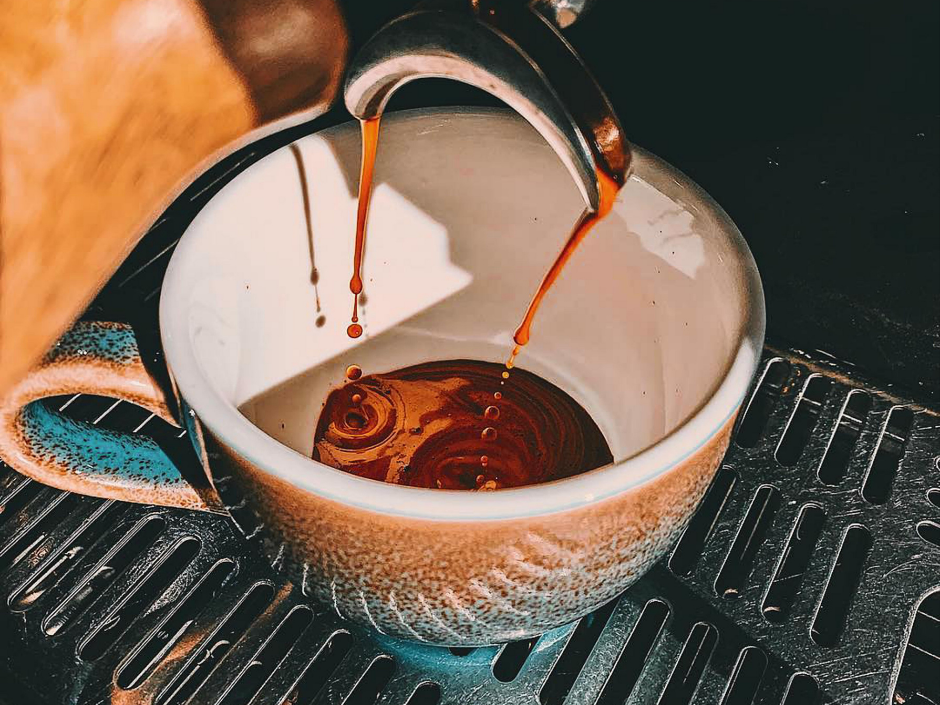
Espresso is made by forcing hot water through finely ground coffee under pressure. This brewing method produces a concentrated coffee with a distinctive flavor and texture.
So, what are espresso beans?
The term usually refers to coffee beans that have been selected or roasted with espresso brewing in mind. Some coffee roasters choose beans that produce a balanced and flavorful espresso, while others develop roast profiles that highlight chocolatey, nutty, fruity, or caramel-like notes.
But there is no single “espresso bean.”

Coffee beans from different origins, varieties, and roast levels can all be used to make espresso. A Brazilian coffee may produce a different espresso from an Ethiopian coffee, while a light roast may taste very different from a dark roast.
The important distinction is that the coffee bean provides the flavor potential, while the brewing method helps extract those flavors.
Why This Matters for Coffee Lovers
Understanding that espresso is a brewing method opens up a much wider world of coffee. It means that espresso can be made using different types of coffee beans, and each one can offer a unique flavor experience.
The takeaway: Espresso is not a type of coffee bean. It is a brewing method that can be used with different coffee beans to create different flavors.
Myth: Longer espresso shots are always better
Fact: Espresso extraction needs balance. Extracting for too long can lead to over-extraction, resulting in a bitter and dry taste.

When learning how espresso is made, it is easy to assume that a longer shot must be better. After all, if more water passes through the coffee grounds, shouldn't that mean more flavor?
Not necessarily.
Espresso extraction is the process of dissolving compounds from ground coffee into water. The goal is to extract enough of the coffee's desirable flavors to create a balanced cup.

However, extraction does not improve indefinitely.
When espresso is extracted for too long, the coffee may become over-extracted. This can produce unpleasant flavors, including bitterness, dryness, and harshness.
That does not mean every longer espresso shot is bad. Different coffee beans, roast levels, and recipes can require different extraction times. A longer shot may work well for one coffee and not another.
Grind size: How finely the coffee is ground affects how water flows through the grounds.
Dose: The amount of coffee used in the basket.
Yield: The amount of espresso produced.
Extraction time: How long water passes through the coffee.
Taste: The final result, which helps determine whether the shot is balanced.
These variables work together to influence the flavor of the espresso.
Why This Matters for Coffee Lovers
A longer espresso shot is not automatically a better espresso shot. What matters is whether the extraction brings out the coffee's desirable flavors without becoming unpleasant.
The takeaway: Good espresso is not about extracting for the longest time. It is about finding the right balance for the coffee being brewed.
Myth: A Good Espresso Should Taste Bitter
Fact: A well-made espresso can be sweet, balanced, and smooth, with pleasant acidity.

Bitterness is often associated with coffee, especially espresso. Because espresso is concentrated, its flavors can be more intense, which may lead some people to expect it to taste bitter.
But bitterness is not the definition of a good espresso.
A well-made espresso can have a range of flavors, including sweetness, acidity, and bitterness. Depending on the coffee beans and roast, you may notice notes of chocolate, caramel, nuts, fruit, or even floral flavors.
Understanding Espresso Flavor
One of the most important things to understand about coffee is that flavor is not simply about strength.
A strong-tasting espresso is not necessarily a better espresso. Likewise, a bitter espresso is not automatically a sign of quality.
A well-balanced espresso allows its flavors to work together. Sweetness can provide a pleasant richness, acidity can add brightness, and bitterness can contribute depth when it is not overwhelming.

Acidity is another important part of coffee flavor. In coffee, pleasant acidity can contribute brightness and liveliness to the cup. It is not the same as an unpleasant sour taste.
The goal is balance.
A good espresso should allow its flavors to come together rather than having one characteristic dominate the entire drink.
Why This Matters for Coffee Lovers
Understanding espresso flavor can help us appreciate the differences between coffee beans and roast levels. It also reminds us that coffee quality is not measured by bitterness alone.
The takeaway: A good espresso does not have to be bitter. It can be sweet, balanced, smooth, and full of character.
Myth: Every Espresso Shot Tastes the Same
Fact: Espresso flavor changes depending on the beans, roast, grind size, dose, and extraction.

If espresso is brewed using the same method, should every shot taste the same?
Not at all.
Espresso is a concentrated way of brewing coffee, but the flavor of the final drink depends on many factors. Even small changes in the brewing process can affect the taste.

1. Coffee beans
Different coffee origins and varieties can produce different flavor profiles. Some coffees may taste fruity and bright, while others may have chocolatey, nutty, or caramel-like characteristics.
2. Roast level
The roast level can influence the flavor and aroma of coffee. Lighter roasts may highlight more of the coffee's natural acidity and fruit-like characteristics, while darker roasts may bring out deeper, more developed flavors.
3. Grind size
The grind size affects how quickly water passes through the coffee grounds. A finer grind generally slows water flow, while a coarser grind generally allows water to pass more quickly.
4. Dose
The dose refers to the amount of coffee used in the espresso basket. Changing the dose can affect the strength and balance of the resulting shot.
5. Extraction
Extraction determines how much of the coffee's flavor is brought into the cup. The relationship between grind size, dose, yield, and time can influence whether the espresso tastes balanced or unpleasant.
Why This Matters for Coffee Lovers
This is why espresso is not simply about pressing a button and getting the same flavor every time. It is about understanding how different variables work together to create a particular coffee experience.
The takeaway: Every espresso shot has the potential to taste different. The beans, roast, grind, dose, and extraction all contribute to the final flavor.
The Bigger Picture: Espresso Is About Balance
These four myths all point to the same idea: espresso is a brewing method, not a fixed flavor or a single type of coffee bean.
The beans bring their own characteristics, while the brewing process helps reveal them. A longer shot is not automatically better, bitterness is not automatically a sign of quality, and espresso is not limited to one kind of bean or one expected taste.
Instead, a great espresso is about finding the right balance between the coffee and the way it is brewed.
That is what makes espresso so interesting. There is always something new to learn, and every cup is an opportunity to appreciate the craft a little more.
A Little Knowledge Makes Every Cup More Meaningful
DOTE Coffee Bar + Roastery believes that understanding coffee is part of enjoying it. We care about educating our customers and coffee enthusiasts about the brewing methods, ingredients, and details that make each beverage special. From the coffee beans we use to the way our espresso is prepared, we believe that quality matters in every cup.
Through Barista’s Notes, we hope to make coffee knowledge more approachable, help readers appreciate the craft behind their favorite drinks, and encourage a deeper understanding of what makes a great coffee experience.
Because every great cup starts with knowing your coffee.


Comments